
Warehouse Management and Supply Chain Optimization: A Modern Approach
How modern warehouse management practices and supply chain optimization can transform your logistics operations and reduce costs.
The Evolving Role of the Warehouse
The modern warehouse is no longer simply a place to store goods. It has become a critical node in the supply chain — a dynamic hub where speed, accuracy, and efficiency determine whether a business can meet customer expectations. As e-commerce continues to grow and delivery windows shrink, the demands placed on warehouse operations have increased dramatically. Businesses that treat their warehouse as a strategic asset rather than a cost center gain a measurable competitive advantage in their market.
Warehouse Management Systems: The Foundation of Efficiency
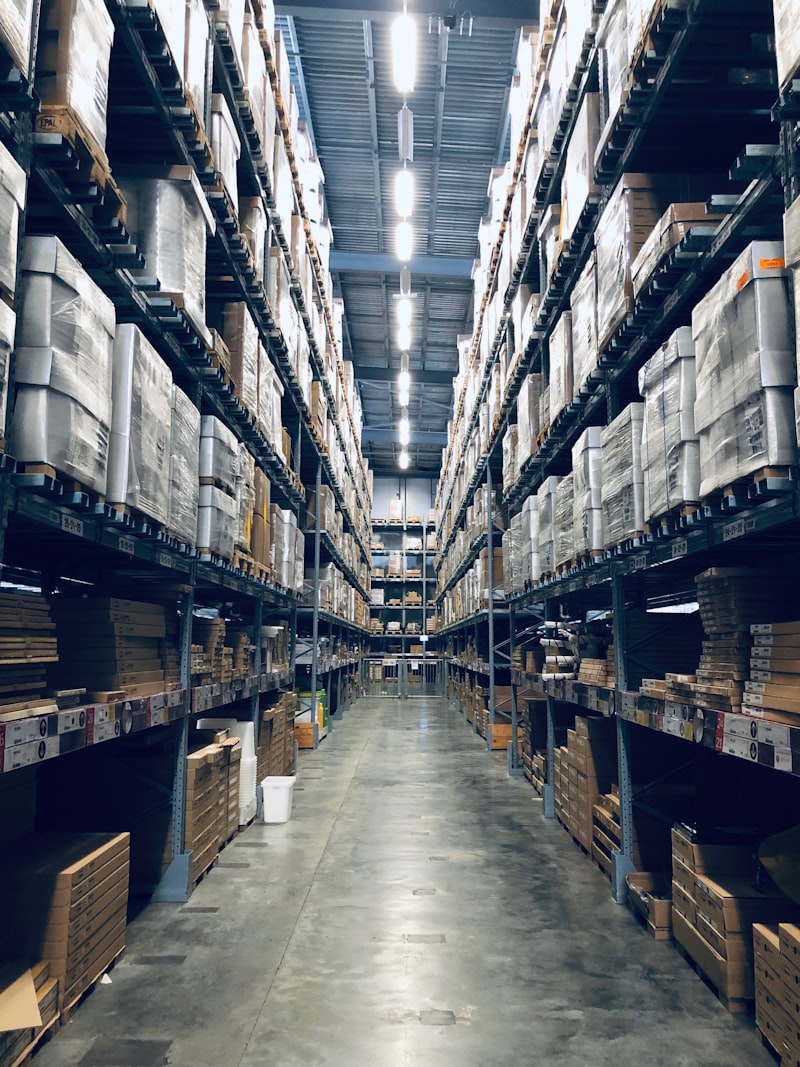
At the heart of any well-run warehouse is a Warehouse Management System (WMS). A WMS provides real-time visibility into inventory levels, locations, and movements, enabling warehouse managers to make informed decisions and respond quickly to changing conditions. Without a WMS, operations rely on manual tracking, spreadsheets, and human memory — all of which become unreliable as volumes increase.
Key Features of a Modern WMS
A robust WMS goes far beyond basic inventory tracking. It includes features such as wave planning for order picking, slotting optimization to place fast-moving items in accessible locations, and barcode or RFID scanning for accurate inbound and outbound processing. Advanced systems also support labor management, allowing managers to monitor productivity, assign tasks dynamically, and identify bottlenecks in real time. Integration with transportation management systems (TMS) and ERP platforms ensures that the warehouse operates as part of a connected supply chain rather than in isolation.
Cloud-Based vs. On-Premise Solutions
The choice between cloud-based and on-premise WMS solutions depends on your business requirements and IT infrastructure. Cloud-based systems offer lower upfront costs, automatic updates, and the ability to scale rapidly as your operations grow. On-premise solutions provide greater control over data and customization but require dedicated IT resources. For many small and mid-sized businesses, a cloud-based WMS offers the best balance of functionality, cost, and flexibility.
Automation in the Warehouse
Warehouse automation has moved from a futuristic concept to a practical reality for businesses of all sizes. While full automation with autonomous robots and AI-driven systems is available to large enterprises, smaller operations can also benefit from targeted automation that addresses specific pain points.
Levels of Automation
Automation in warehousing exists on a spectrum. At the entry level, handheld barcode scanners and pick-to-light systems reduce errors and speed up order fulfillment. Mid-level automation includes conveyor systems, automated sorting equipment, and goods-to-person picking stations that bring products to the warehouse worker rather than requiring them to walk through the facility. At the highest level, autonomous mobile robots (AMRs) and automated storage and retrieval systems (AS/RS) can operate with minimal human intervention, handling repetitive tasks around the clock.

Calculating the Return on Investment
Before investing in automation, it is essential to build a clear business case. Calculate the current cost of the manual processes you intend to automate, including labor, error rates, and throughput limitations. Compare these against the capital expenditure and ongoing maintenance costs of the automated solution. In many cases, the payback period for warehouse automation is between 18 and 36 months, depending on the scale of the operation and the type of technology deployed.
Inventory Optimization Strategies
Holding too much inventory ties up capital and increases the risk of obsolescence. Holding too little results in stockouts, lost sales, and dissatisfied customers. Striking the right balance requires a data-driven approach to inventory management that accounts for demand variability, lead times, and supply chain disruptions.
Demand Forecasting
Accurate demand forecasting is the cornerstone of inventory optimization. Historical sales data, seasonal trends, marketing campaigns, and external factors such as economic conditions all feed into demand models. Modern forecasting tools use machine learning algorithms to identify patterns and predict future demand with greater accuracy than traditional statistical methods. The better your forecasting, the more precisely you can set safety stock levels and reorder points.
ABC Analysis and SKU Rationalization
Not all products deserve the same level of attention in your warehouse. ABC analysis categorizes inventory into three groups: A-items represent the top 20 percent of products that generate 80 percent of revenue, B-items are the middle tier, and C-items are slow-moving products with low revenue contribution. By aligning your warehouse layout, picking strategies, and replenishment processes with this classification, you optimize space utilization and labor efficiency. Periodically reviewing your SKU portfolio and discontinuing products that consistently underperform also reduces complexity and frees up resources.
Last-Mile Delivery Challenges
The last mile — the final leg of delivery from the distribution center to the customer’s door — is often the most expensive and complex part of the supply chain. It accounts for up to 53 percent of total shipping costs and is where the highest number of delivery failures occur. Addressing last-mile challenges is essential for businesses that want to deliver a premium customer experience without eroding their margins.
Urban Logistics and Sustainability
Delivering goods in densely populated urban areas presents unique challenges, including traffic congestion, limited parking, and strict emission regulations. Many European cities are implementing zero-emission zones that restrict access for diesel vehicles. Businesses must adapt by exploring electric delivery vehicles, cargo bikes, and consolidation points where multiple deliveries are bundled for more efficient distribution. These solutions are not just environmentally responsible — they can also reduce costs and improve delivery reliability in congested areas.

Delivery Flexibility and Customer Communication
Customers increasingly want control over when and how their orders are delivered. Offering time-slot delivery, alternative pickup points, and real-time tracking updates gives customers the flexibility they expect. Proactive communication about delays or delivery changes reduces frustration and support inquiries. The businesses that get last-mile delivery right build stronger customer relationships and earn higher satisfaction scores.
Sustainability in Warehouse Operations
Sustainability is no longer a peripheral concern — it is a business imperative driven by regulatory requirements, customer expectations, and cost savings opportunities. Warehouses consume significant amounts of energy for lighting, heating, cooling, and equipment operation. Implementing sustainable practices in your warehouse not only reduces your environmental footprint but also lowers operating costs over time.
Energy Efficiency and Green Building Design
LED lighting with motion sensors, solar panels on warehouse roofs, and energy-efficient HVAC systems can reduce energy consumption by 30 to 50 percent compared to conventional setups. For new builds, sustainable construction materials and green building certifications such as BREEAM demonstrate a commitment to environmental responsibility that resonates with customers and partners.
Packaging Optimization
Reducing packaging waste is another area where warehouses can make a significant environmental impact. Right-sizing packaging to match the product — rather than using standardized box sizes — reduces material waste, shipping costs, and the carbon footprint of every delivery. Switching to recyclable or biodegradable packaging materials further enhances your sustainability credentials.
How Bolaji Group Supports Your Warehouse Operations
At Bolaji Group, we offer comprehensive warehouse management services tailored to the needs of growing businesses. From selecting and implementing the right WMS to optimizing your warehouse layout, inventory strategies, and fulfillment processes, our team provides the expertise to drive efficiency and reduce costs. We understand that every business is unique, which is why we take a customized approach — analyzing your current operations, identifying improvement opportunities, and delivering solutions that align with your growth objectives. Whether you are setting up a new warehouse or optimizing an existing facility, Bolaji Group is your partner for supply chain excellence. Contact us today to discuss how we can strengthen your logistics operations.